2026-11-17 ·
Dealing With Tree Root Intrusions In Fort Myers Sewer Lines
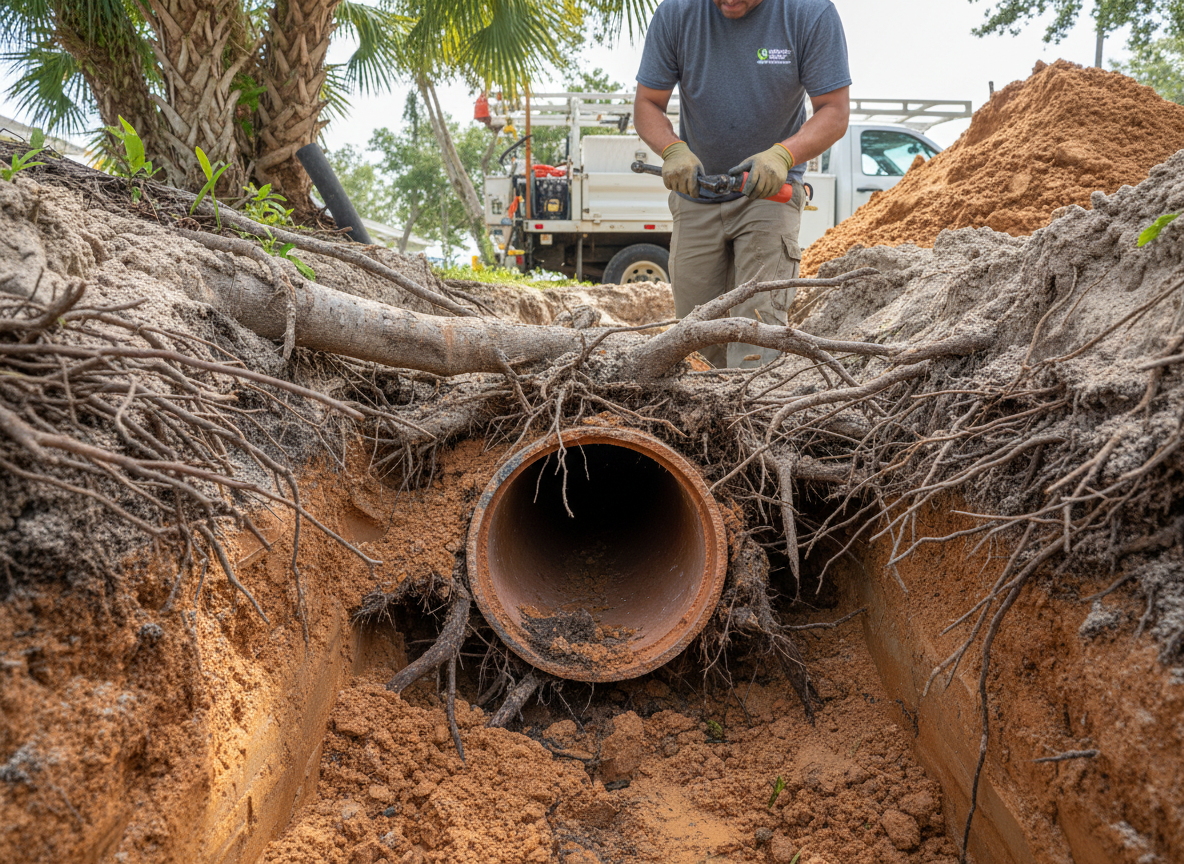
Tree root intrusions in Fort Myers sewer lines typically begin with a camera inspection to map root entry points and pipe condition before any mechanical clearing or section repair occurs. In Lee County’s tropical savanna climate, roots remain active through warm winters and seek moisture from sewer pipes year-round, especially around slab homes common in Cape Coral, Estero, and Bonita Springs. Seasonal properties left vacant for months allow roots extra time to penetrate joints without regular water flow to flush debris. An independent local plumber starts by confirming whether the intrusion affects the main line or a branch serving specific fixtures.
Recognizing Early Warning Signs
Multiple fixtures draining slowly at once often signals roots blocking the main sewer rather than a localized clog in one trap. Gurgling sounds from toilets or floor drains during heavy rain point to restricted flow, which storm surge and power outages can worsen by overwhelming already compromised lines. Sewage odors near cleanouts or yard depressions indicate possible pipe separation where roots have forced joints apart. In areas with hard water, mineral buildup combined with root fibers accelerates the restriction, making backups more frequent after periods of heavy use. Checking irrigation backflow preventers can reveal if nearby landscaping contributes to the moisture that draws roots toward the sewer.
Steps to Take Before Contacting a Plumber
Locate the cleanout access points on the property and note any standing water or root fragments visible at the opening. Run water at multiple indoor fixtures while listening for changes in drainage speed to isolate whether the problem is isolated or system-wide. Avoid chemical drain cleaners, as they can damage older polybutylene pipe sections still present in some Fort Myers neighborhoods and worsen root adhesion. Document any recent landscaping changes or tree plantings within 30 feet of the sewer path, since roots from species common in Southwest Florida travel far in search of consistent moisture. These observations help an independent local plumber prioritize the inspection route once on site.
What an Independent Local Plumber Examines
A thorough evaluation begins with a video camera fed through the cleanout to identify exact root entry locations, pipe material, and any offset joints created by shifting soil after hurricanes. The plumber measures flow restriction at multiple points and checks for secondary issues such as salt-air corrosion on exposed fittings or pressure-reducing valve strain caused by partial blockages. In slab homes, the inspection may extend to exterior cleanouts near the foundation to determine whether roots have reached under the slab. If polybutylene sections appear, the plumber notes their condition for potential future pipe replacement discussions. Findings are reviewed with the homeowner so the scope of any sewer line repair or drain cleaning can be confirmed before work proceeds.
Long-Term Considerations for Southwest Florida Properties
Regular monitoring of trees near sewer routes helps limit recurrence, particularly after storm events that loosen soil and expose new pipe joints. Properties left empty during summer months benefit from periodic water runs to maintain flow and discourage root growth toward stagnant lines. Linking sewer maintenance awareness with broader hurricane preparations, such as those outlined in How To Prepare Your Plumbing For Hurricane Season In Fort Myers, reduces the chance of compounded damage from wind-driven debris and flooding. An independent local plumber can advise on specific pipe protection measures suited to Lee County soil and climate conditions during the initial assessment.